
Many people wonder what life after knee replacement will look like. This surgery can help reduce pain and improve movement. However, recovery takes time and effort. Knowing what to expect can help you feel more confident about your journey. In this guide, you will learn about the knee replacement recovery timeline, rehabilitation after knee surgery, and tips for post knee replacement care. All information is based on trusted sources, including the CDC and leading orthopedic experts.
What to Expect Immediately After Knee Replacement Surgery
Right after surgery, you will spend a few hours in a recovery room. Nurses will watch your vital signs and check your knee. Because you may feel groggy from anesthesia, you will need help to move at first. Usually, you will:
For most patients, the hospital stay lasts one to three days. However, this can vary based on your health and recovery speed.
Typical Recovery Timeline: Week-by-Week Progress
Every person heals at a different pace. Still, there is a general knee replacement recovery timeline you can expect:
According to the American Academy of Orthopaedic Surgeons, following your recovery plan helps you heal faster.
Rehabilitation and Physical Therapy: Key Steps
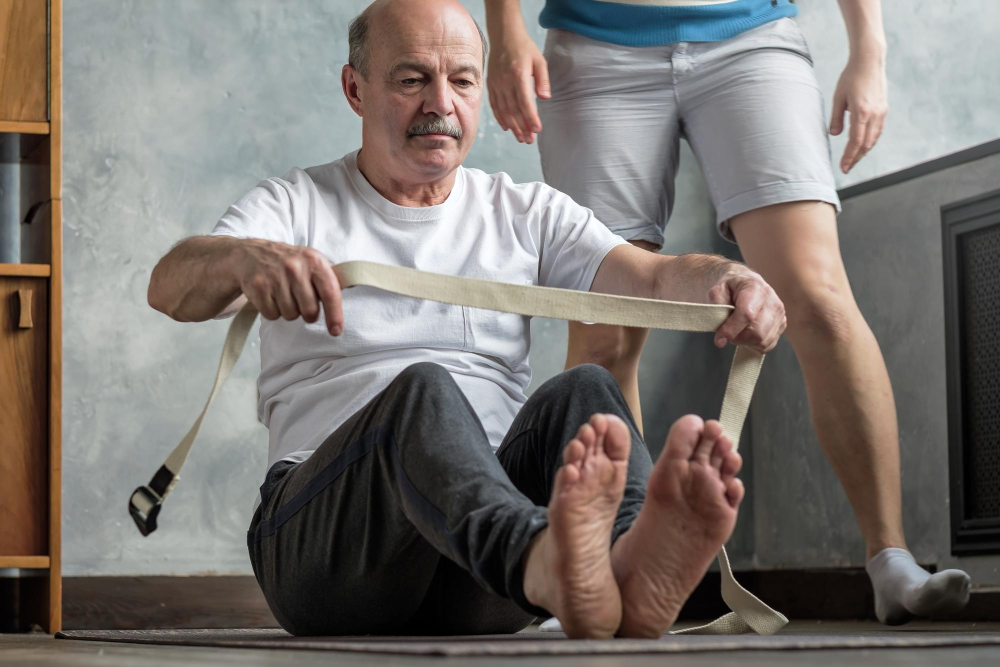
Rehabilitation after knee surgery is vital for regaining movement and strength. Physical therapy starts soon after surgery. In fact, early movement helps prevent stiffness and blood clots. Your rehab plan may include:
Because everyone is different, your therapist will adjust your plan as you improve. Attending all therapy sessions is important for the best results.
Managing Pain and Swelling
After knee replacement, pain and swelling are normal. However, there are several ways to manage these symptoms:
If pain or swelling gets worse or does not improve, let your healthcare team know. According to the CDC, early care can prevent complications.
Tips for Safe Movement and Daily Activities
Staying safe during recovery is key. Even simple changes can help you avoid falls or injury. For example, try these tips:
With time, you will feel more steady and confident moving around your home.
Returning to Work and Exercise
When you can return to work depends on your job and recovery. For desk jobs, many people go back in four to six weeks. However, jobs that require standing or lifting may need more time. Before returning, talk with your doctor about your activities.
For exercise, gentle movement is best at first. Safe exercises after knee replacement include:
High-impact sports, like running or jumping, should be avoided unless your doctor says it is safe.
Long-Term Lifestyle Adjustments and Joint Care
After your knee heals, you can enjoy many activities again. Still, caring for your new joint is important. For long-term joint health, consider these steps:
With good care, most knee replacements last 15 years or more, according to orthopedic studies.
Warning Signs and When to Contact Your Doctor
Although most people recover well, problems can sometimes occur. Watch for these warning signs:
If you notice any of these symptoms, consult Dr. Lovish Garg right away. Early treatment helps prevent serious problems and keeps your recovery on track.