
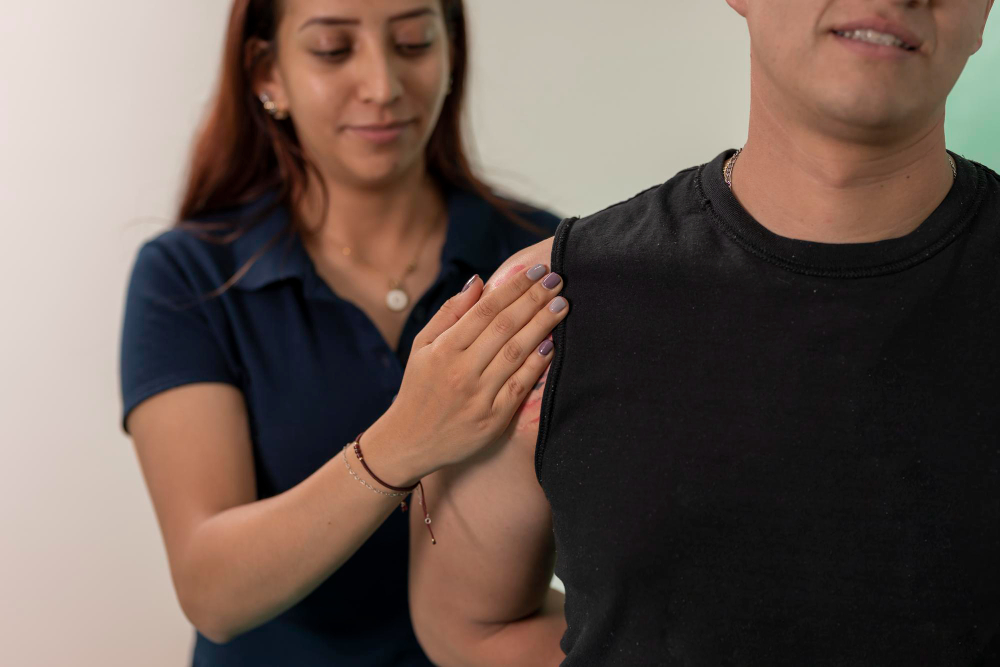
What Is Rotator Cuff Repair?
Rotator cuff repair is a surgery to fix torn tendons in your shoulder. The rotator cuff is a group of muscles and tendons. These help you lift and move your arm. Sometimes, these tendons tear from injury or wear and tear. When this happens, you may need surgery to help your shoulder heal and work better. Many people have questions about rotator cuff repair recovery. This guide will help you understand the process and what to expect.
Common Reasons for Surgery
Doctors may suggest rotator cuff surgery for several reasons. Often, people have pain that does not get better with rest or physical therapy. Sometimes, the tear is large or the shoulder is very weak. In other cases, daily tasks become hard to do. For example, you may struggle to lift your arm or carry objects. The most common causes for surgery include:
According to the American Academy of Orthopaedic Surgeons, surgery is often needed when other treatments do not help.
What to Expect After Surgery
After rotator cuff repair surgery, you will wake up with your arm in a sling. This keeps your shoulder safe while it starts to heal. Usually, you will feel some pain and swelling. However, your care team will help you manage this. In most cases, you will go home the same day. Sometimes, you may stay overnight if needed. Your doctor will give you instructions for post-surgery care for rotator cuff repair. These may include:
For the first few days, you may need help with daily tasks. But each week, you should notice small improvements.
Typical Recovery Timeline
Recovery after rotator cuff repair takes time. While every person heals at their own pace, most people follow a general timeline. For example:
Even though healing takes months, most people see steady progress. Your doctor and therapist will guide you at each step.
Pain Management Strategies
After surgery, pain is common. However, there are many ways to help control it. Your doctor may suggest:
Sometimes, you may feel sore after physical therapy. But this is normal as your muscles get stronger. If pain gets worse or does not improve, let your doctor know right away.
Physical Therapy and Rehabilitation
Physical therapy is a key part of rotator cuff repair recovery. In fact, starting therapy at the right time helps your shoulder heal well. Your therapist will teach you safe movements and rotator cuff rehabilitation exercises. These may include:
At first, you may only move your arm with help. Over time, you will do more on your own. Following your therapy plan helps you get back to daily life faster.
Tips for Daily Living During Recovery
During recovery, daily tasks may feel hard. However, there are ways to make things easier. For example:
As you heal, you will be able to do more on your own. Still, take your time and avoid rushing the process.
Warning Signs and When to Contact Your Doctor
Most people recover well after rotator cuff repair. Still, it is important to watch for warning signs. Contact your doctor if you notice:
Early treatment of problems can help prevent bigger issues. Do not wait if you are worried about your recovery.
Preventing Future Shoulder Injuries
Once your shoulder heals, you will want to keep it strong and healthy. There are steps you can take to avoid future injuries. For example:
According to the CDC, regular exercise and safe habits lower your risk of shoulder problems. With the right care, you can enjoy an active life after rotator cuff repair recovery.