
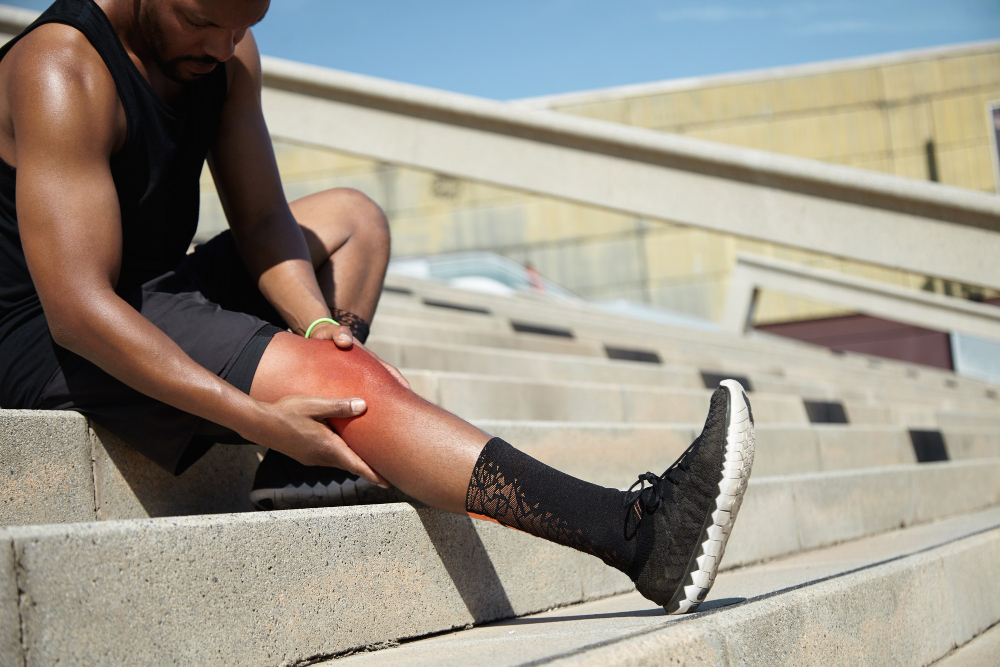
What is an ACL Injury?
An ACL injury in athletes is a common sports injury. The ACL, or anterior cruciate ligament, is a strong band inside your knee. It helps keep your knee stable. When this ligament tears, it can cause pain and swelling. Athletes often get this injury while playing sports that involve quick stops or turns. For example, soccer, basketball, and football can put extra stress on the knee. Because the ACL is so important, an injury can make it hard to walk or play sports.
Common Symptoms of ACL Injury in Athletes
After an ACL injury, symptoms can appear quickly. However, some signs may develop over time. Knowing what to look for can help you get care sooner. Common symptoms include:
Because these symptoms can be severe, many athletes seek help right away. Early treatment can improve your ACL tear recovery timeline.
Causes and Risk Factors for ACL Injuries
Many ACL injuries happen during sports. Quick changes in direction, sudden stops, or awkward landings can cause the ligament to tear. Although anyone can get an ACL injury, some factors increase the risk:
In addition, women may have a higher risk due to differences in muscle strength and body structure. Because of these risks, athletes should take steps to protect their knees.
How ACL Injuries are Diagnosed
Doctors use several methods to diagnose an ACL injury. First, they ask about your symptoms and how the injury happened. Next, they examine your knee for swelling, pain, and movement. Often, doctors use special tests to check if the ACL is torn. For example, they may gently move your knee to see if it feels unstable. In many cases, imaging tests help confirm the diagnosis:
Because early diagnosis is important, seeing a doctor soon after injury can help you start sports injury rehabilitation faster.
Surgical Treatment Options for ACL Injuries
Some ACL injuries need surgery, especially if you want to return to sports after ACL surgery. Doctors often recommend ACL reconstruction surgery for athletes or active people. During this procedure, the torn ligament is replaced with a new one. This new ligament can come from your own body or from a donor. Although some people try physical therapy first, surgery is often needed for full knee stability. After surgery, you will need a plan for sports injury rehabilitation to regain strength and movement.
The Recovery Process After ACL Surgery
Recovery after ACL reconstruction surgery takes time and patience. Right after surgery, you may need crutches and a knee brace. Physical therapy usually starts within a few days. Because every person heals differently, your ACL tear recovery timeline may vary. However, most athletes follow a similar path:
Throughout recovery, following your therapist’s advice is key. Because rushing back too soon can cause another injury, doctors recommend waiting until your knee is strong and stable.
Tips for Preventing ACL Injuries in Athletes
Although not all ACL injuries can be prevented, there are steps you can take to lower your risk. For example, you can:
Because prevention is important, many sports programs now teach safe movement skills. According to the CDC and sports medicine experts, these steps can help athletes stay healthy and active.