
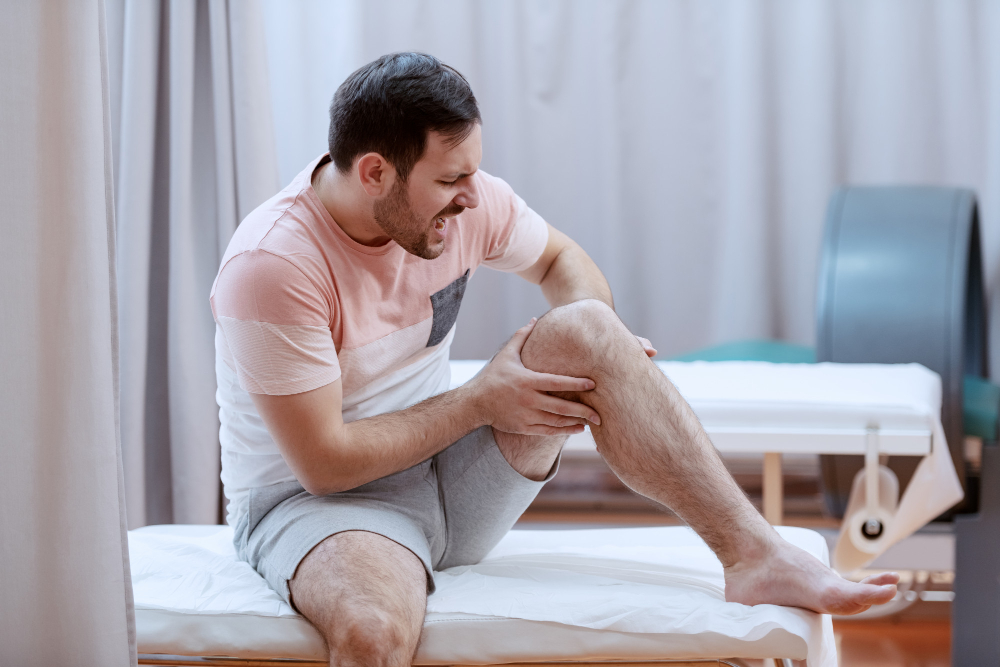
Introduction to Knee Meniscus Injury
A knee meniscus injury is a common problem, especially for active people. The meniscus is a piece of cartilage in your knee. It acts like a cushion between your thigh bone and shin bone. When this cartilage tears or gets damaged, it is called a knee meniscus injury. Many people experience pain, swelling, or trouble moving their knee after such an injury. Because knee meniscus tears can affect daily life, early care is important. In this blog, you will learn about causes, symptoms, and advanced treatment options for knee meniscus injuries. You will also find tips for knee injury recovery and orthopedic knee care.
Causes of Knee Meniscus Injury
There are several reasons why a knee meniscus injury can happen. Often, it occurs during sports or activities that involve twisting or turning the knee. However, it can also happen from simple movements or aging. Here are some common causes:
For example, athletes and older adults are more likely to have a knee meniscus tear. But anyone can get this injury, even during daily activities.
Common Symptoms
Recognizing meniscus injury symptoms early can help you get the right care. While symptoms may vary, most people notice some of these signs:
Sometimes, symptoms appear right away. Other times, they develop slowly over a few days. If you notice these signs, it is wise to seek medical advice.
Diagnosis Methods
Doctors use several methods to diagnose a knee meniscus injury. First, they will ask about your symptoms and how the injury happened. Next, they will examine your knee for swelling, tenderness, or movement problems. In many cases, doctors use imaging tests to confirm the diagnosis. These may include:
With these tools, doctors can find out if you have a meniscus tear and decide on the best treatment.
Advanced Treatment Options
Treatment for a knee meniscus injury depends on the type and severity of the tear. While some injuries heal with rest, others may need advanced meniscus treatment. Here are common options:
For many people, a mix of these treatments helps speed up knee injury recovery. However, your doctor will suggest the best plan based on your needs.
Prevention and Lifestyle Tips
Although not all knee meniscus injuries can be prevented, you can lower your risk. Here are some helpful tips:
By following these steps, you can protect your knees and support long-term orthopedic knee care.
When to See an Orthopedic Specialist
If you have knee pain, swelling, or trouble moving your knee, it is important to seek help. Especially if symptoms last more than a few days or get worse, you should see an orthopedic specialist. Early treatment can prevent further damage and help you recover faster. In addition, an expert can guide you through advanced meniscus treatment options and knee injury recovery plans.
For personalized advice and the best care, consult an orthopedic specialist Dr. Lovish Garg . They can help you return to your normal activities safely and quickly.