
Introduction
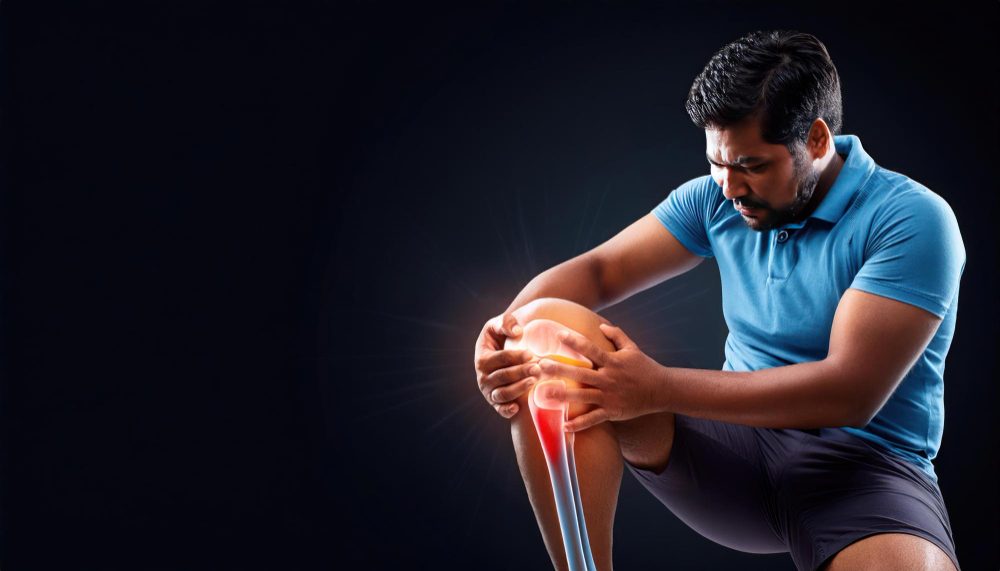
The anterior cruciate ligament, or ACL, is a strong band inside your knee. An ACL injury happens when this ligament gets stretched or torn. Because the ACL helps keep your knee stable, an injury can make it hard to walk or play sports. Many people, especially athletes, worry about ACL injuries. However, anyone can hurt their ACL during daily activities. Knowing about ACL injury symptoms, causes, and treatment can help you take care of your knee health.
Symptoms of ACL Injury
After an ACL injury, you may notice several signs. Often, people feel or hear a “pop” in the knee. Right away, the knee may swell and hurt. But symptoms can vary. For example, some people can still walk, while others cannot. Common ACL injury symptoms include:
If you notice these symptoms, it is important to rest your knee and seek medical help.
Causes and Risk Factors
ACL injuries often happen during sports or activities that involve sudden stops or changes in direction. For instance, jumping and landing awkwardly can cause a tear. But, even simple falls can lead to injury. Common causes include:
Some people are at higher risk for ACL injuries. For example, athletes in soccer, basketball, or football face more risk. Women may also have a higher chance due to differences in anatomy and muscle strength. Weak muscles, poor balance, and improper training can increase your risk as well.
Diagnosis Methods
Doctors use several methods to diagnose an ACL injury. First, they will ask about how the injury happened. Next, they will check your knee for swelling, pain, and movement. Sometimes, doctors use special tests to see if your knee is unstable. In addition, imaging tests can help confirm the diagnosis. Common methods include:
According to the CDC, early diagnosis helps prevent further knee damage.
Treatment Options
Treatment for an ACL injury depends on how severe the tear is and your activity level. Some people recover with rest and therapy, while others may need surgery. Your doctor will help you choose the best option. Treatment options include:
Non-Surgical Treatment
Non-surgical treatment works best for minor tears or less active people.
Surgical Treatment
Surgery is often needed for complete tears, athletes, or those with unstable knees. The World Health Organization notes that surgery can help restore knee function for many people.
Recovery and Rehabilitation
Recovery from an ACL injury takes time. After treatment, you will need rehabilitation to regain strength and movement. For example, physical therapy helps you learn safe exercises. Most people need several months to recover fully. The recovery process usually includes:
With proper care, many people return to sports or daily life. However, rushing recovery can lead to more injuries. Always follow your doctor’s advice for ACL injury recovery.
Prevention Tips
Although not all ACL injuries can be prevented, you can lower your risk. For instance, training and good habits help protect your knees. Here are some tips on how to prevent ACL injuries:
According to peer-reviewed studies, these steps can reduce your risk of ACL tears.
When to See a Doctor
If you have knee pain, swelling, or feel your knee is unstable, see a doctor soon. Early treatment can prevent more damage. In addition, if you cannot walk or move your knee, seek help right away. Remember, only a healthcare professional can diagnose and treat an ACL injury properly.
Consult an orthopedic specialist Dr. Lovish Garg for personalized advice on ACL injuries.