
Introduction
Shoulder replacement is a surgery that replaces a damaged shoulder joint with artificial parts. Many people choose this procedure to reduce pain and improve movement. Often, shoulder replacement helps those who have not found relief from other treatments. If you are considering this surgery, it is important to know what to expect, the benefits, and how recovery works.
Symptoms and Conditions Leading to Shoulder Replacement
Several symptoms may lead your doctor to suggest shoulder replacement. For example, you may feel:
Common conditions that may require this surgery include:
Causes and Risk Factors
Many factors can damage the shoulder joint. For instance, aging is a common cause. Over time, the cartilage that cushions the joint wears away. Injuries, such as falls or sports accidents, can also harm the shoulder. In addition, some people have diseases like rheumatoid arthritis that attack the joint. Risk factors include:
Diagnosis and Evaluation Process
Doctors use several steps to decide if shoulder replacement is right for you. First, they ask about your symptoms and medical history. Next, they examine your shoulder for pain, movement, and strength. Often, imaging tests help confirm the problem. These may include:
After these tests, your doctor will discuss the best treatment options.
Types of Shoulder Replacement Procedures
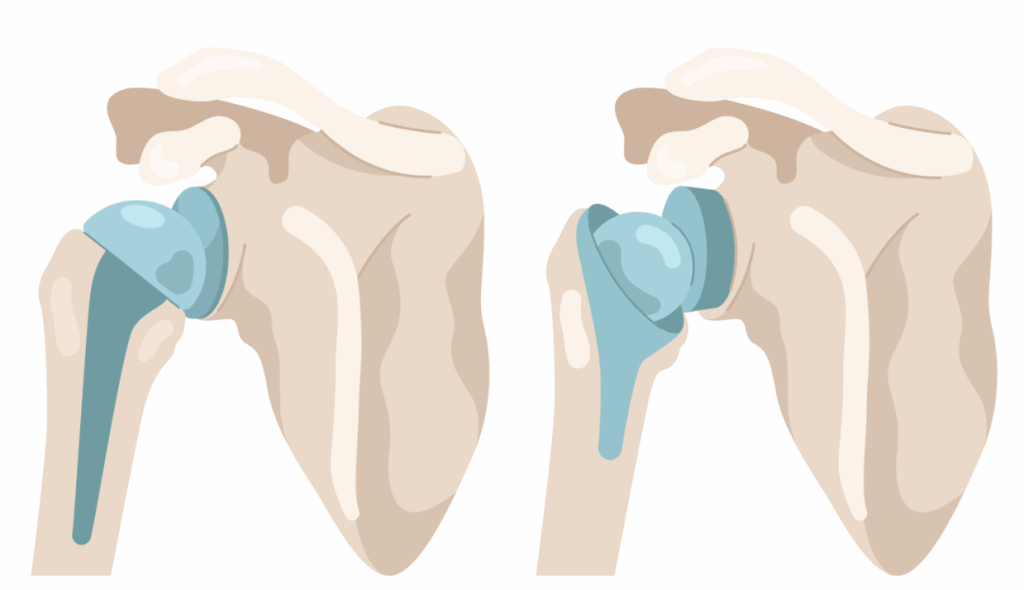
There are several types of shoulder replacement surgery. Your doctor will choose the best one based on your needs. The main types are:
Treatment Process: Before, During, and After Surgery
Before Surgery
Before surgery, your doctor will review your health and may order blood tests. You may need to stop certain medicines. Sometimes, you will meet with a physical therapist to learn exercises.
During Surgery
During the procedure, you will receive anesthesia to keep you comfortable. The surgeon will remove the damaged parts of your shoulder and replace them with artificial parts. Usually, the surgery takes about two hours.
After Surgery
After surgery, you will stay in the hospital for one to three days. Nurses will help manage your pain and start gentle exercises. Soon, you will begin physical therapy to regain strength and movement.
Recovery Timeline and Tips
Recovery from shoulder replacement takes time. However, most people see steady progress each week. Here is a general timeline:
To help your recovery:
Benefits and Potential Risks
Shoulder replacement offers many benefits. For example, you may notice:
However, like any surgery, there are risks. These may include:
Most people recover well, but it is important to discuss risks with your doctor.
Lifestyle Guidance and Prevention of Complications
After shoulder replacement, you can take steps to protect your new joint. For instance, avoid heavy lifting or sudden movements. Always use proper techniques when reaching or carrying items. In addition, keep up with regular exercise to maintain strength. If you notice swelling, redness, or fever, contact your doctor right away. These steps help prevent complications and keep your shoulder healthy.
Frequently Asked Questions (FAQs)
Conclusion
Shoulder replacement can greatly improve your quality of life by reducing pain and helping you move more comfortably. However, every person is different. Consult Dr. Lovish Garg for a detailed orthopedic evaluation and personalized guidance to determine whether shoulder replacement is the right option for you.